
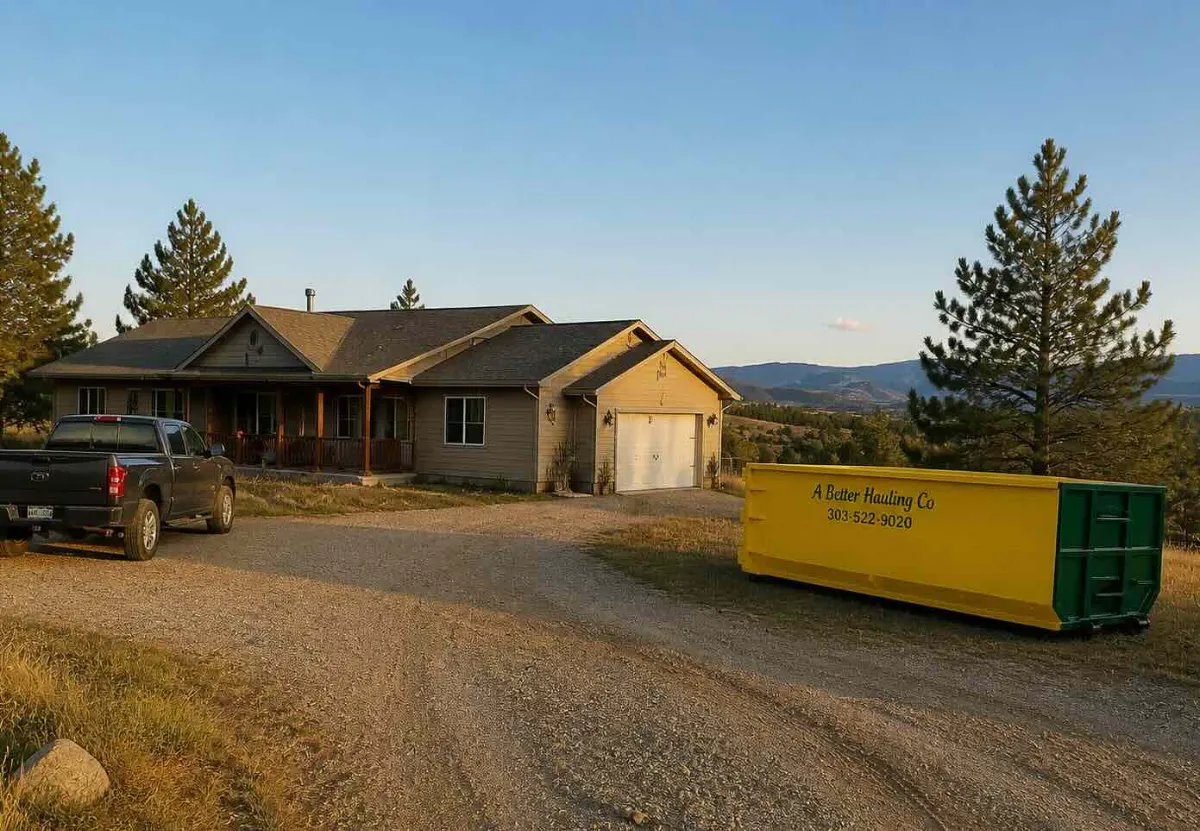
Dumpster Delivery Preparation: A Complete Customer's Guide
Dumpster delivery preparation shapes how smoothly your project runs from the first bin placement to the final haul-away. When we arrive with a roll-off dumpster, good preparation means we can set the container exactly where you want it, avoid damage to your property, and help you handle debris safely and efficiently from day one.
Understanding your project and site
Before you start any dumpster delivery preparation, it helps to step back and look at the full scope of your project and where the container will actually sit on your property. We provide dumpster rentals to homeowners and contractors across Elizabeth, Kiowa, Parker, Castle Rock, and the greater Douglas and Elbert County areas, and we see every kind of site—from tight driveways in town to wide-open rural lots.
The more clearly you define your project, the more practical your preparation becomes. A small interior renovation, a whole-home clean out, a roofing job, or a multi-phase construction project each generate different types and volumes of material, and that affects the size of the dumpster, the placement, and how long you’ll need it. If you’re planning for a garage cleanout or a major home renovation, you’ll use your driveway differently than a contractor staging equipment on a job site, and your plan should reflect that.
We also encourage you to think through how you move around your property during the project. If you walk from the front door to the garage, or carry debris from a backyard deck out to the street, good dumpster delivery preparation keeps those paths clear and safe instead of turning them into obstacle courses of lumber, nails, and loose material.
Choosing where the dumpster will go
Thoughtful placement is at the core of effective dumpster delivery preparation. Our roll-off dumpsters work best on hard, flat surfaces like concrete or stable asphalt, which support the weight of the container and truck without rutting or sinking. When a driveway or pad is available, we generally recommend it over soft ground, gravel, or bare soil because it reduces risk of damage and improves stability while you load.
When we talk with you about placement, we also consider how close the dumpster will be to the work area. Good preparation minimizes how far you have to carry heavy or awkward debris. For a garage cleanout or interior remodel, near the driveway or at the edge of the garage opening usually works best; for deck removal or large-scale yard work, a side yard or front pad with clear access can make more sense.
If you think the best dumpster delivery spot might be on the street, your preparation should include checking any local requirements or restrictions that apply in your city or county. Some municipalities require permits or set limits on where you can place a container relative to traffic lanes, sidewalks, and fire hydrants. Taking care of those details before the truck arrives keeps your project moving and avoids last-minute changes in placement.
Evaluating space and clearance
Clearance is one of the most overlooked parts of dumpster delivery preparation, and it matters more than many people realize. Our roll-off truck needs room to approach, line up, tilt the bed, and set the container down safely, which means we plan for both vertical height and straight-line access to your chosen spot. Overhanging branches, low power lines, tight corners, and parked vehicles can all interfere with that process, even on properties that seem spacious at first glance.
A thoughtful approach to preparation includes walking the path our truck will take and looking up, not just straight ahead. If you see branches that hang low over a driveway, utility lines crossing the street, or architectural features like balconies and low entry arches, we want to know about those before delivery day so we can suggest the safest approach and placement.
In addition to vertical clearance, straight-line access matters. Our truck needs several car lengths of relatively straight driveway or road to back into position and unload the container without sharp turns or sudden maneuvers. When you include this in your dumpster delivery preparation, you avoid situations where a tight curve, narrow gate, or crowded parking area forces a change of plan at the last minute.
Protecting your driveway and property
A big part of smart preparation is thinking about how to protect the surfaces where the container will sit. A loaded roll-off dumpster carries significant weight, especially when it holds dense material like roofing, concrete, or demolition debris, and that weight transfers to the points where the container meets the ground. On concrete or asphalt, that can mean scuffs or minor impressions; on softer surfaces, it can cause settling, ruts, or even structural damage.
One simple way to approach driveway protection as part of your preparation is to use sturdy sheets of plywood or similar material under the container. A layer of wood spreads the load and creates a buffer between the steel rails of the dumpster and the surface below, which helps reduce the risk of gouges, chips, or concentrated pressure points. This is especially helpful on newer driveways, decorative concrete, or areas with cosmetic finishes you want to preserve.
If you don’t have plywood on hand, we still encourage you to plan for surface protection in your dumpster delivery preparation. That might mean choosing a section of driveway that’s already weathered rather than an ornate stamped area, or using a less visible side pad instead of the front entry. In rural areas, placing the dumpster on compacted gravel rather than softer soil provides more stability and reduces the chance of sinking or uneven settling as you load.
Planning safe access for trucks and people
Strong preparation covers not just where the container will sit, but how vehicles and people will move around it. On residential properties, that usually means coordinating parked cars, visitor parking, and daily routines so the truck has a clear path to the delivery spot and you have safe walking routes once the dumpster is in place. On construction or commercial sites, it also involves staging materials and equipment so roll-off access stays open even as work progresses.
In the days leading up to your scheduled drop-off, consider how you’ll use your driveway or access road and build that into your dumpster delivery preparation. Moving vehicles out of the way, asking neighbors to leave space along the street, or temporarily shifting trailers and equipment can make the difference between a smooth delivery and a complicated maneuver that takes extra time or requires a different placement.
Once the dumpster is on site, safe pedestrian access becomes part of your ongoing preparation. We suggest keeping walkways free of debris, stacking materials away from paths you use often, and avoiding situations where you have to step over boards, nails, or cords to reach the container. A clear, direct route to the dumpster reduces trip hazards and helps you maintain a steady workflow while you load.
Understanding what can and cannot go in the dumpster
Knowing what belongs in the dumpster is just as important as knowing where the dumpster will sit, and it should be part of your dumpster delivery preparation from the start. We accept a wide range of materials, including construction and demolition debris, metal for recycling, non-freon appliances, carpeting and flooring, furniture, general trash, yard waste, hot tubs, wood fencing, decking, and sheds. When you plan your sorting and loading around these categories, you make your cleanout or project more predictable and easier to manage.
There are also materials we cannot take, and listing those out before delivery helps you avoid surprises. We do not accept residential food waste, refrigerators, freezers, air conditioners, any appliance containing freon, liquids, hazardous waste, chemicals, tires, batteries, or propane tanks. Building these limits into your preparation prevents situations where restricted items end up in the container and have to be removed later.
If you know your project involves items that fall into these restricted categories, we encourage you to include alternate disposal plans in your dumpster delivery preparation. That might mean setting aside a designated corner of the garage for household chemicals, contacting a local hazardous waste program, or arranging separate recycling for appliances with freon. By taking those steps early, you avoid mixing incompatible materials and keep the dumpster reserved for acceptable debris.
Matching dumpster size to your project
Choosing the right dumpster size is another pillar of good preparation, and it affects both practicality and convenience. We offer multiple roll-off sizes, from smaller containers suited to interior renovations and small cleanouts to larger bins designed for estate clean outs, whole-home projects, and commercial construction debris. When your container size matches your project, you reduce the chance of overflow, avoid unnecessary empty space, and keep your workflow steady.
Smaller dumpsters work well for focused projects like a single room remodel, a bathroom or kitchen renovation, or a limited landscaping job. Mid-sized containers often fit whole-floor renovations, garage or basement cleanouts, and moderate construction projects. Larger dumpsters serve whole-home cleanouts, multi-room demolition, decking and fencing removal, and combined household and yard debris on a bigger scale.
As part of your dumpster delivery preparation, we suggest thinking about more than just the visible clutter. Consider hidden materials like subflooring, old insulation, roofing layers, or items in attics and sheds that you plan to tackle while you have the dumpster. Adding those to your mental tally can shift you from one size category to the next and helps ensure you have capacity for everything you want to remove in a single rental period.
Planning rental timing and duration
Timing is a practical but often overlooked piece of dumpster delivery preparation. We provide standard rental periods of 14 days, with the option to extend on a per-day basis when projects take longer than planned. When you think carefully about the rhythm of your work and the availability of helpers or contractors, you can schedule delivery and pickup in ways that keep your project moving without rushing or sitting idle.
As you plan your timeline, consider how long demolition or cleanout tasks will take compared to finish work. Many projects start with a burst of removal activity and then settle into a quieter phase; your preparation should reflect that by placing the container on-site when you’re ready to remove material in earnest, not weeks before you plan to start. If you anticipate delays due to weather, permits, or coordination with other trades, it can be wise to build a buffer into your schedule rather than cutting timing too close.
We often see projects that run a day or two longer than expected simply because once a dumpster is available, people start tackling additional clutter or deferred tasks. Thinking about that tendency as part of your dumpster delivery preparation makes it easier to decide whether to plan for an extra day or two from the start, or to keep us in the loop so extensions are handled smoothly.
Organizing debris and loading safely
Organized loading is a practical outcome of thoughtful preparation. Instead of tossing material in whatever order it appears, we recommend sorting as you go and loading in layers that make efficient use of space. Placing heavier items at the bottom, breaking down bulky pieces, and distributing weight evenly helps keep the load stable and reduces awkward voids inside the container.
On many projects, simple staging areas support better dumpster delivery preparation. You might designate a corner of the yard or garage for metal, another for clean lumber, and a third for general trash so you can decide how to load these materials as space develops in the dumpster. This approach minimizes unnecessary lifting, limits trips back and forth, and makes it easier to keep track of what still needs to go in the container.
Safety during loading is just as important as efficiency. As part of your preparation, plan to wear sturdy footwear, gloves, and appropriate clothing, especially when handling broken materials or demolition debris. Avoid standing on unstable piles inside the container, and pay attention to how material stacks near the top edge so nothing shifts or falls unexpectedly while you work.
Considering neighbors, noise, and local conditions
Responsible dumpster delivery preparation also takes your neighbors and surroundings into account. Roll-off delivery and pickup involve large vehicles, and demolition or cleanouts create noise and visual changes that people around you will notice. Giving neighbors a heads-up when you know a dumpster is coming, especially in tighter residential areas, helps set expectations and reduce friction.
Local weather and seasonal conditions can influence how you plan, particularly in areas with snow, ice, or sudden storms. Wet ground can become softer and less stable, so factoring recent rain or melting snow into your preparation helps you choose a placement that remains accessible and safe throughout your rental period. Wind is another consideration, especially when you’re disposing of lightweight material that can blow around if not secured or contained properly.
Light and visibility also matter. If you plan to work in early mornings or evenings, consider how well-lit the area around the dumpster will be and include that in your dumpster delivery preparation. Adequate lighting reduces missteps, helps you see nails and sharp edges, and makes it easier to monitor how full the container is as you approach the top.
Aligning your preparation with our process
Our process is straightforward: you call, we help you select the right dumpster, we deliver to your driveway or job site, and we haul it away when you’re finished. When your own preparation lines up with that sequence, the entire experience becomes more predictable and calm. From sizing to placement, access to material rules, each step you take ahead of time supports what will happen on delivery day.
We find that when customers have already chosen a clear spot, moved vehicles out of the way, protected the surface if needed, and thought through what’s going into the container, delivery and pickup happen quickly and without confusion. That frees you to focus your energy on the project itself, whether that’s reclaiming a cluttered home, navigating a renovation, or clearing a job site.
Good dumpster delivery preparation continues through the end of the rental period. As you near your pickup date, it helps to confirm that all acceptable materials are in the dumpster, restricted items are set aside, and access for the truck remains unobstructed. Those final checks make it easier for us to arrive, load the container, and leave your property in clean, usable condition.
Questions We Hear about Dumpster Delivery Preparation
How far in advance should I prepare before dumpster delivery?
We recommend starting your dumpster delivery preparation a few days before drop-off. That gives you time to choose a placement, clear vehicles and obstacles, check vertical clearance, and think through what materials you plan to dispose of. If your project involves other trades or complex scheduling, beginning even earlier helps keep delivery aligned with your most active removal days.
What if my driveway isn’t a good spot for the dumpster?
If your driveway is steep, narrow, decorative, or not where you want the container, focus your dumpster delivery preparation on alternative stable surfaces. Compact gravel pads, suitable street areas where allowed, or level side yards can work if they provide enough access and clearance. Using plywood or similar material under the rails helps protect surfaces and improve stability, especially when the ground or finish is less than ideal.
How can I load the dumpster efficiently and safely?
Plan your dumpster delivery preparation so loading is organized rather than random. Break down bulky items, place heavier debris at the bottom, and distribute weight evenly to avoid unstable piles. Keep a clear path to the container, wear sturdy footwear and gloves, and avoid standing on loose material inside the dumpster. Simple staging areas for different types of debris can make each trip more purposeful and reduce strain.
What should I do about items that aren’t allowed in the dumpster?
Part of responsible dumpster delivery preparation is knowing which items must stay out of the container. Set aside appliances with freon, liquids, chemicals, tires, batteries, and propane tanks for separate disposal. If restricted items do end up in the dumpster, they may need to be removed and handled differently, so it’s best to keep a mental checklist nearby and leave questionable items out until you’re sure how they should be managed.
How do I get ready for dumpster pickup at the end of my rental?
As your rental period ends, shift your dumpster delivery preparation toward pickup. Make sure the path for the truck is clear, overhead clearance is still adequate, and debris doesn’t extend excessively above the top of the container. Confirm that restricted items are not mixed in, and check that the load is reasonably even and stable. With those steps complete, pickup usually becomes a simple, uneventful part of closing out your project.